
Why Connection Is One of the Strongest Predictors of Lasting Recovery

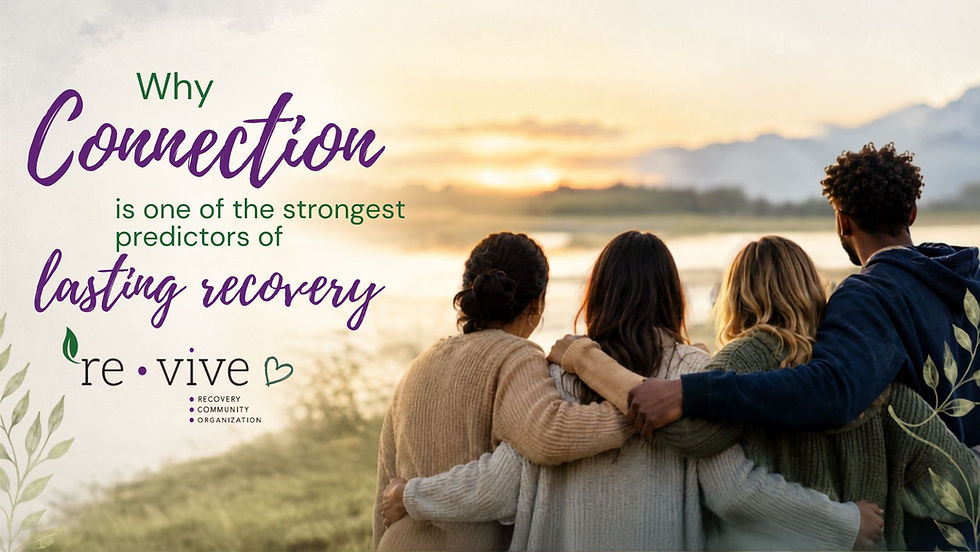
Recovery is often thought of as an individual journey—a person making difficult choices, attending appointments, learning new skills, and rebuilding their life. While personal commitment is certainly important, research continues to show that one factor consistently stands above the rest when it comes to long-term recovery from substance use disorder:
Connection.
Human beings are wired for connection. We thrive when we feel seen, valued, accepted, and supported. When those connections are strong, they become a powerful protective factor that helps people navigate life's challenges without returning to harmful patterns of substance use.
Recovery Doesn't Happen in Isolation
Substance use disorder can often lead to isolation. Relationships may become strained, trust may need to be rebuilt, and feelings of shame or loneliness can make it difficult to reach out for support. Yet healing rarely happens alone.
Connection reminds us that we are more than our struggles. It provides opportunities to experience belonging, encouragement, accountability, and hope.
Whether it's a trusted friend, family member, peer recovery support specialist, therapist, peer support group, faith community, or community organization, meaningful relationships help people remember they don't have to face life's challenges by themselves.
Why Connection Matters
Strong social connections have been linked to:
Greater resilience during stressful life events.
Improved emotional and mental well-being.
Increased confidence in managing challenges.
Reduced feelings of loneliness and isolation.
Greater engagement in recovery supports.
Better long-term recovery outcomes.
When people know someone genuinely cares about them, they're often more willing to ask for help before a crisis develops.
The Science Behind Belonging
Researchers have found that social support can help regulate stress, improve emotional health, and increase a person's ability to cope with difficult situations. Positive relationships activate many of the same reward pathways in the brain that help reinforce healthy behaviors.
In other words, connection isn't simply comforting—it is healing.
This is one reason why peer recovery support has become such an important part of recovery services across the country. Talking with someone who understands the journey through lived experience can reduce feelings of isolation and inspire hope that lasting recovery is possible.
Recovery Is About Building a Life Worth Living
Recovery isn't only about reducing or stopping substance use. It's about creating a meaningful life filled with purpose, relationships, health, and hope.
That may include:
Spending time with supportive family and friends.
Volunteering in the community.
Finding meaningful employment.
Participating in hobbies and creative activities.
Joining support groups or recovery communities.
Reconnecting with spirituality or personal values.
Celebrating milestones—big and small.
Each positive connection becomes another thread in the fabric of a healthier, more fulfilling life.
Small Acts of Connection Matter
Not every supportive interaction has to be profound.
Sometimes connection looks like:
A text asking, "How are you doing today?"
Sharing a meal together.
Going for a walk.
Listening without judgment.
Celebrating someone's progress.
Offering encouragement during difficult moments.
These simple moments communicate a powerful message: "You matter, and you don't have to do this alone."
We All Play a Role
Supporting recovery isn't limited to healthcare professionals or recovery organizations. Communities, employers, families, neighbors, and friends all contribute to creating environments where people feel welcomed, respected, and valued.
Using person-first, respectful language is one way we help reduce stigma. Choosing phrases like "person with substance use disorder" instead of labels reminds us that a diagnosis does not define a person's identity. Every individual deserves dignity, compassion, and the opportunity to heal.
When communities replace judgment with understanding, they become places where recovery can flourish.
Hope Grows Through Connection
Recovery is built one day, one choice, and one relationship at a time.
No one needs to have all the answers. Sometimes the greatest gift we can offer another person is simply our presence.
Connection builds trust.
Trust builds hope.
And hope helps people discover that lasting recovery is not only possible—it is within reach.
If you or someone you care about is living with substance use disorder, know that support is available. Reaching out is not a sign of weakness; it is often the first step toward building the connections that make lasting recovery possible.


Thấy xx88 được chèn vào và được mọi người nhắc tới nhiều. Mình bấm xem cho biết, để xem cách trình bày và cấu trúc nội dung. Lướt nhanh thì thấy tổng thể khá gọn gàng, tạo cảm giác đáng tin cậy. Với mình, chỉ cần nội dung gọn gàng như vậy là đủ để mình nắm bắt thông tin cơ bản.
Trong quá trình đọc các thảo luận, mình có để ý thấy LC88 được nhắc qua nên thử vào xem cho biết. Mình chỉ xem nhanh tổng thể chứ chưa tìm hiểu sâu, nhưng cảm giác ban đầu là cách trình bày khá thoáng, bố cục rõ ràng, nhìn vào không bị rối mắt.
789clubb.one mình cũng kiểu nghe người ta nhắc nên bấm vào xem thử cho biết thôi. Không có ngồi đọc hết nội dung đâu, chủ yếu lướt giao diện với cách họ chia phần. Thấy trang làm khá dễ theo dõi, mấy tiêu đề đặt thẳng thắn nên nhìn cái là đoán được chủ đề đang nói gì. Có đoạn giới thiệu viết ngắn gọn, nói họ kết hợp sáng tạo với chức năng trong kiến trúc nên mình đọc lướt vẫn nắm ý. Mình thích kiểu cuộn xuống là từng khối nội dung tách riêng, không bị nhồi chữ, nhìn đỡ mệt mắt. Phần điều hướng cũng ổn, chuyển qua lại không bị rối, nhất là heading “Cam kết đổi…
Mình biết tới https://rikvipv1.com/ khi tìm kiếm thông tin trên Google nên ghé vào xem thử phiên bản mới. Mình chỉ xem qua bố cục và cách phân chia nội dung để so sánh. Nhìn chung, nội dung được sắp xếp khá gọn gàng, dễ nhìn. Sự đơn giản nhưng đầy đủ tính năng chính là điểm ấn tượng nhất với mình hiện tại.
Mình hay xem phần giới thiệu tổng quan nên mở https://xsmn.cc/ và dành vài phút xem qua. Sau khi xem một vòng, website cung cấp thông tin và dữ liệu tra cứu vé xổ số. Thông tin trên website được cập nhật từ nguồn công khai và chỉ mang tính chất tham khảo.Cảm nhận đầu tiên là bố cục khá sạch, từng nhóm nội dung được tách ra rõ ràng nên không tạo cảm giác quá tải. Với mình, chỉ cần nội dung gọn gàng như vậy là đủ để mình nắm bắt thông tin cơ bản.